The Timeless Game of Mahjong: An Exploration
Mahjong, a game deeply ingrained in East Asian culture, has fascinated players for centuries. This captivating tile-based game combines skill, strategy, and a rich historical backdrop that draws players into a world of tradition and intellectual challenge. To understand the full allure of Mahjong, one must explore its origins, the cultural significance it holds, and its modern-day manifestations.
The Origins of Mahjong
The origins of Mahjong remain somewhat shrouded in mystery, though most scholars agree that it originated in China during the 19th century. The game evolved from similar existing tile games, such as 'Madiao.' Its design reflects a confluence of Chinese culture and philosophy, which has contributed to its widespread appeal.
The Evolution of the Game
Initially played among the elite circles of Chinese society, Mahjong gradually expanded its reach across various demographics. The game's proliferation was accelerated by the development of distinct regional variations, including Cantonese, Shanghai, and Taiwanese Mahjong. These variations not only showcase the game's adaptability but also highlight how cultural nuances can influence gameplay.
The Structure and Rules of Mahjong
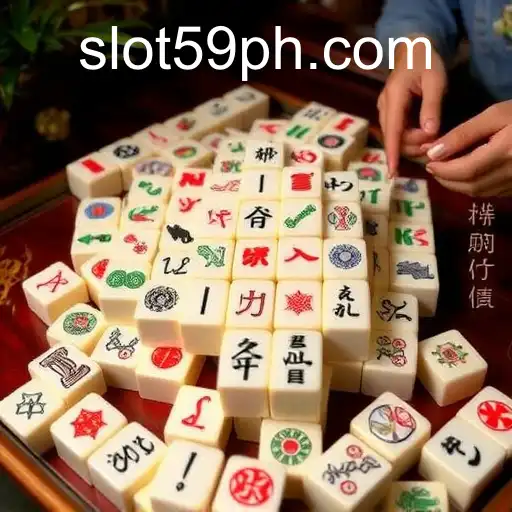
Central to understanding Mahjong is its unique structure. The game is typically played with 136 tiles, though this number can vary based on regional rules. The tiles are divided into three main suits: circles, bamboo, and characters, alongside honor tiles that include winds and dragons. The objective is to draw and discard tiles strategically to form a winning hand, known as 'Mahjong'.
The Intricacies of Strategy
At its core, Mahjong requires not only luck but also a keen sense of strategy. Players must remain aware of the tiles already played, anticipate opponents' moves, and make decisions that advance their path to achieving Mahjong. Thus, gameplay becomes a delicate balance of chance and skill.
Cultural Significance of Mahjong
Mahjong's role extends beyond mere entertainment; it is a cultural touchstone in many communities. In China, Mahjong transcends generations, often serving as a bonding activity during family gatherings and public celebrations. Its presence in weekly or seasonal gatherings underscores its importance as a social and recreational activity.
Traditional and Modern Interpretations
The traditional view of Mahjong as a symbol of Chinese heritage persists even as the game takes on new forms in the digital age. Online platforms and gaming apps have modernized Mahjong, introducing it to a global audience eager to engage with its traditional allure and competitive spirit.
Mahjong in a Global Context
The global spread of Mahjong has influenced its evolution as diverse cultures adopt and interpret the game through their own lenses. Particularly in Japan, the game has been immensely popular, leading to the development of 'Riichi Mahjong,' a distinct and complex variant with its own set of rules and customs.
The Role of Mahjong in Popular Culture
Mahjong has left an indelible mark on popular culture, featuring prominently in literature, film, and music. This cultural footprint has only expanded its reach, inviting individuals from all walks of life to explore its depth and intricacies. From competitive tournaments to casual family games, Mahjong continues to captivate players worldwide.
The Modern-Day Appeal of Mahjong
In contemporary settings, Mahjong retains its timeless charm while adapting to the preferences of a diverse player base. Its digital resurgence has introduced the game to younger generations, integrating classic strategy with modern technology. Gaming platforms and online communities allow players to connect, compete, and share in the enjoyment of Mahjong regardless of geographical boundaries.
Integration with Technology
Technological advancements have revolutionized the way Mahjong is played and consumed. Through mobile apps and online networks, players can engage in real-time games with enthusiasts across the world. This technological integration ensures that Mahjong remains relevant in today's fast-paced, interconnected society.
The Continued Evolution of Mahjong
The future of Mahjong is as dynamic as its past, with continuous innovation ensuring its place in the global gaming landscape. As the game evolves, it maintains its essential elements of strategy and skill, preserving the rich tradition while embracing modern trends.
A Unifying Game
Ultimately, Mahjong represents a unifying game that bridges cultures, generations, and boundaries. Its universal appeal is a testament to the enduring power of human connection through shared experiences and communal enjoyment. For those new to Mahjong, it offers an invitation to explore a game that melds historical richness with the thrill of strategic play.
Whether engaging with Mahjong as a participant or an observer, the game's multifaceted nature offers endless opportunities for discovery and appreciation. Its timeless nature continues to attract new players, ensuring that Mahjong will be cherished and played for generations to come.